


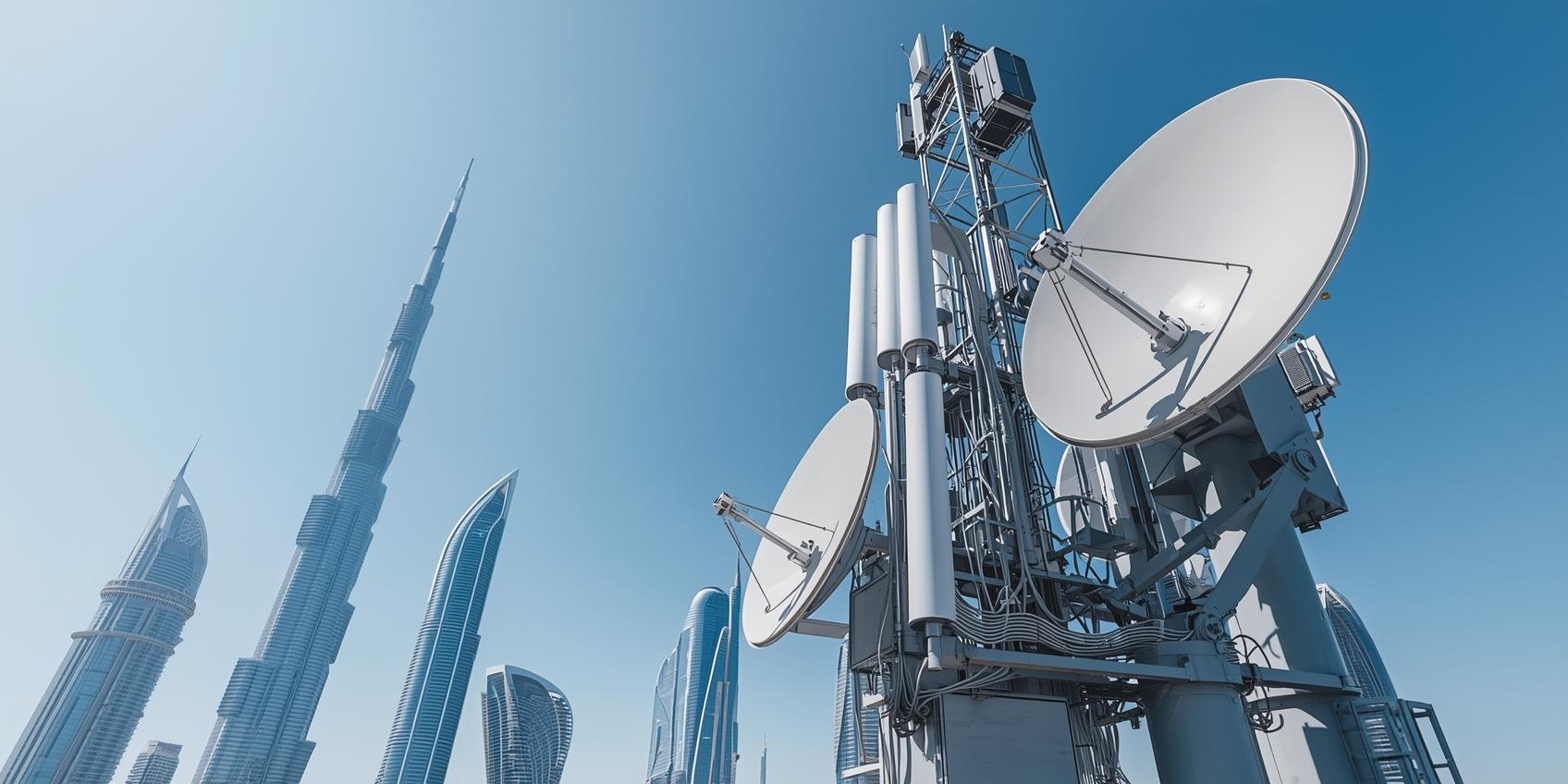
Telecom Installation: A Complete Guide for Reliable Connectivity
Have you ever wondered how your phone call reaches across cities in seconds or how your internet stays connected even during peak hours? Behind all this magic lies one core process: Telecom Installation. It’s the backbone that connects homes, businesses, towers, and entire digital ecosystems.
Think of telecom networks like a huge web of highways. If the highways are built perfectly, vehicles move smoothly. If not, everything slows down or breaks. Telecom Installation works the same way—it builds the “digital highways” that keep our world moving.
This guide explains everything in simple, clear language so anyone—technical or non-technical—can understand how Telecom Installation works and why it matters.
1. Introduction to Telecom Installation
Telecom Installation is the process of setting up communication systems such as mobile towers, microwave links, fiber networks, Wi-Fi systems, and telecom equipment at various sites. It’s what ensures we have stable voice calls, fast internet, and uninterrupted connectivity.
Whether it’s a telecom company expanding its coverage or a business upgrading its internal network, Telecom Installation is the starting point.
This article focuses on making the topic simple, practical, and clear—even if you have zero technical background.
2. Planning & Site Survey for Telecom Installation
Before anyone touches a tool or installs a cable, planning begins. Good telecom installation always starts with careful preparation.
Why Planning Matters in Telecom Installation
Planning works like a blueprint for building a house. Without it, you’re simply guessing and hoping things fall into place.
Telecom planning ensures:
- The right location is chosen
- Equipment is needed, not wasted
- Environmental conditions are safe
- Signals are strong and interference-free
- Costs stay within budget
Conducting a Professional Site Survey
A site survey checks the physical and technical details of the installation location. During a site survey, engineers assess:
- Tower height and space availability
- RF (Radio Frequency) environment
- Grounding availability
- Power sources
- Line-of-sight for microwave links
- Environmental conditions
- Safety risks
The site survey is like “reading the map” before starting a journey—without it, you’re driving blind.
Selecting the Right Equipment
Every site needs specific hardware depending on:
- Coverage area
- Indoor vs outdoor environment
- Antenna type
- Power demand
- Type of service (4G, 5G, fiber, microwave, Wi-Fi)
This step forms the backbone of successful Telecom Installation.
3. Equipment Setup & Hardware Integration
Once planning is done, the real work begins—the installation phase.
Installing Telecom Racks & Indoor Units (IDU)
Most telecom solutions start indoors with racks and equipment like:
- BTS (Base Transceiver Stations)
- BBU (Baseband Units)
- Routers and switches
- Microwave Indoor Units
- Power systems (UPS, Rectifier)
These devices are placed inside telecom racks, secured tightly, and connected following strict layout guidelines.
Outdoor Units & Telecom Tower Installation
Outdoor work includes:
- Mounting antennas
- Installing RRUs
- Placing microwave dishes
- Ensuring proper grounding
- Weatherproofing cables
This step forms the external structure of Telecom Installation and ensures long-distance communication.
Hardware Integration & Configuration
Once equipment is mounted, technicians connect:
- Power cables
- RF cables
- Data cables
- Optical fiber
- Transmission lines
Then, devices are configured with:
- IP addresses
- Frequency settings
- Bandwidth allocation
- Network parameters
This is where the system “comes alive.”
4. Cable, Power & Antenna Installation
Cable Management in Telecom Installation
Cable installation may look simple, but it’s incredibly important. Poor cabling can cause:
- Signal loss
- Network delays
- Short circuits
- Hardware failure
Technicians follow structured cable routing including:
- RF feeders
- Coaxial cables
- Fiber optic lines
- Power cables
- Grounding wires
Everything is labeled for easy maintenance.
Power System Setup
No Telecom Installation can run without a reliable power source. Power setup includes:
- AC mains
- DC power systems
- Rectifiers
- Circuit breakers
- Batteries
- Generator backup
- Solar power (in remote sites)
Stable power = stable connectivity.
Antenna Alignment
Antenna alignment is one of the most delicate tasks. Even a small wrong angle can reduce signal strength drastically.
Technicians align antennas using:
- Compass
- GPS
- Alignment tools
- Signal analyzers
Think of antennas like flashlights—if they’re not pointed toward the target, the light goes nowhere.
5. Testing & Quality Assurance in Telecom Installation
Why Testing Is Essential
Testing ensures the newly installed telecom system works exactly as planned. It’s the final check before the network goes live.
Types of Telecom Installation Tests
Technicians perform several tests:
- VSWR Test – checks cable and antenna health
- Call Testing – ensures stable voice communication
- Speed Testing – verifies 4G/5G data speeds
- Microwave Link Testing – checks signal strength and alignment
- Fiber Testing (OTDR) – checks fiber quality and loss
- Power Testing – confirms stable voltage
Network Performance Evaluation
This includes checking:
- Coverage
- Signal strength
- Noise levels
- Throughput
- Latency
Once everything passes the tests, the site is ready for integration into the main network.
6. Documentation, Safety & Compliance
Documentation in Telecom Installation
Good documentation makes future maintenance easier. It includes:
- As-built diagrams
- Cable routes
- Antenna direction reports
- Power system diagrams
- Equipment serial numbers
- Testing records
This is like keeping your car’s maintenance book—it helps fix issues faster.
Safety Protocols
Telecom sites involve heights, electrical systems, and heavy equipment. Safety is not optional.
Technicians must use:
- Helmets
- Gloves
- Climbing belts
- Safety shoes
- Ear protection
- Insulated tools
Regulatory Compliance
Telecom Installation must follow:
- Local telecom authority rules
- RF safety standards
- Environmental guidelines
- Structural safety codes
Following these protects both workers and the network.
7. Common Challenges in Telecom Installation
Telecom projects often face hurdles. Here are the most common ones:
Difficult Terrain
Sites in mountains, deserts, or remote areas need special planning.
Weather Conditions
Rain, storms, and high temperatures can delay installation.
Signal Interference
Buildings, trees, and metallic structures create RF barriers.
Power Instability
In many regions, generators or solar systems become mandatory.
Equipment Compatibility
Mixing devices from different vendors can cause issues.
Tight Deadlines
Telecom rollouts often require fast deployment.
Professionals skilled in Telecom Installation learn to navigate these challenges smoothly.
8. Future Trends in Telecom Network Deployment
Growth of 5G Telecom Installation
5G networks require:
- Smaller antennas
- More sites
- Faster fiber backhaul
This means faster, denser installations worldwide.
Fiber to Everywhere (FTTx)
Demand for fiber networks is increasing due to:
- High-speed internet
- Smart cities
- Cloud services
- IoT systems
AI and Remote Monitoring
Future Telecom Installation will include AI-based:
- Predictive maintenance
- Remote antenna alignment
- Automatic power management
Green Telecom Installation
Using solar power, hybrid energy, and low-energy equipment is now becoming the new standard.
Conclusion
Telecom Installation is the heart of modern communication. From planning and equipment setup to testing, safety, and maintenance, every step is essential. Whether you’re a business owner, a telecom engineer, or simply curious about how networks work, understanding how Telecom Installation is done gives you a deeper appreciation for the connectivity we often take for granted.
Just like building a strong bridge ensures safe travel for years, a well-done telecom installation guarantees stable communication, smooth internet, and satisfied users.
FAQs
1. What is Telecom Installation and why is it important?
Telecom Installation is the setup of communication equipment and networks. It ensures reliable voice, data, and internet connectivity.
2. How long does a typical Telecom Installation take?
Depending on project size, it can take 1 day to several weeks.
3. What equipment is used in Telecom Installation?
Common equipment includes antennas, RRUs, IDUs, routers, switches, fiber cables, and power systems.
4. Can telecom systems run without fiber optics?
They can, but fiber provides the highest speed and lowest latency, making it essential for modern networks.
5. Is safety important in Telecom Installation?
Yes. Safety is critical because the work involves heights, electricity, and heavy equipment.