


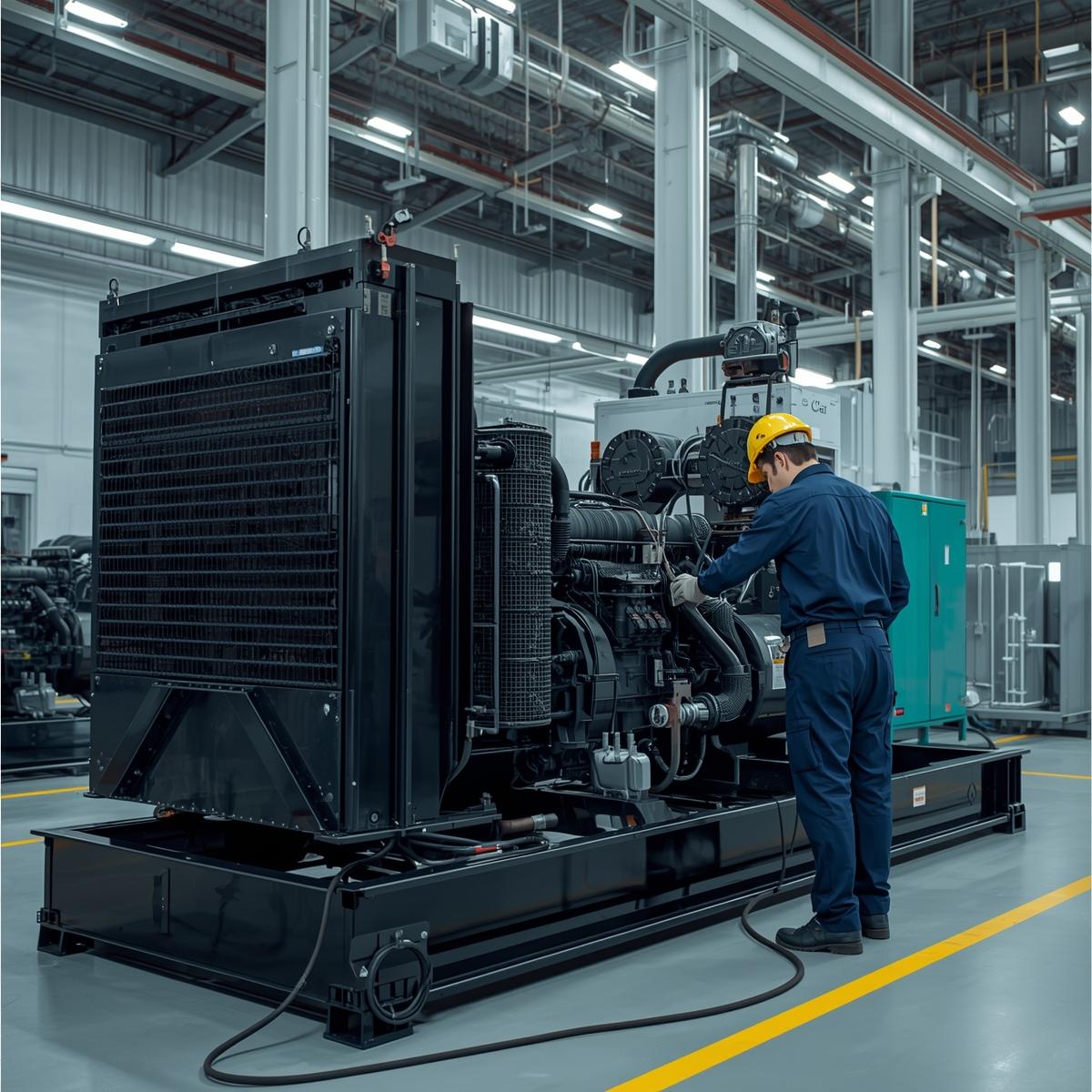
Generator Operation & Maintenance: A Complete Practical Guide
Keeping a generator healthy is a lot like taking care of your own body—feed it right, keep it clean, and don’t ignore warning signs. Whether you’re running a generator for a home, a business, a telecom site, or an industrial setup, Generator Operation & Maintenance decides everything: performance, safety, fuel efficiency, and lifespan.
If you’ve ever wondered, “How do I keep my generator running smoothly without constant breakdowns?”—this guide is for you. Let’s break everything down in simple, practical language, so even a beginner can understand it.
1. Introduction to Generator Operation & Maintenance
Before we dive into the details, let’s keep one thing clear: a generator is an investment. And like any investment—your car, your computer, even your health—it needs ongoing care.
Generator Operation & Maintenance isn’t complicated, but it is essential. Think of it as the rulebook that keeps your generator ready whenever the power fails. Neglecting it is like expecting a car to run forever without oil changes. Spoiler alert: it won’t.
2. Importance of Proper Generator Operation
Why Good Generator Operation Matters
Good generator operation feels a lot like good driving habits—calm, steady, and predictable. When you treat your generator right, it rewards you with:
- Longer lifespan
- Lower fuel consumption
- Fewer breakdowns
- Consistent power supply
- Better performance under heavy loads
Imagine running a business or telecom site and suddenly the generator fails. Everything stops. Proper Generator Operation & Maintenance eliminates these nightmare situations.
Avoiding Costly Breakdowns
Did you know most generator failures are preventable?
Simple operational habits—like warm-up routines, correct load management, and shutting down properly—reduce 50–70% of mechanical issues.
Just like warming up before a workout protects your muscles, warming up your generator protects its engine.
3. Daily & Weekly Checks in Generator Maintenance
Daily Generator Inspection Checklist
Daily inspections are the backbone of Generator Operation & Maintenance. They take just 3–5 minutes but prevent costly failures.
Here’s what to check:
- Fuel level
- Oil level
- Coolant level
- Battery voltage
- Leaks (fuel, oil, coolant)
- Unusual noise or vibration
- Warning lights on the control panel
This quick routine is like brushing your teeth—small effort, big results.
Weekly Generator Functional Testing
A generator that never runs becomes unreliable. That’s why weekly running tests are important.
- Run the generator for 10–15 minutes
- Listen for abnormal sounds
- Observe temperature and oil pressure
- Check smoke color (healthy generators show minimal black smoke)
Think of this as “waking the generator up” so it stays alert and ready for emergencies.
4. Fuel System Care for Long-Term Reliability
Fuel Quality Matters
Your generator is only as good as the fuel you feed it. Poor fuel leads to:
- Clogged filters
- Injector damage
- Hard starts
- Black smoke
- Reduced power output
Good fuel = Good performance. Simple.
Fuel Filtration & Draining Water
Diesel absorbs moisture. Water in fuel tanks causes rust, injector damage, and microbial growth (“diesel bug”).
For proper Generator Operation & Maintenance:
- Drain water from the fuel tank every 1–2 weeks
- Replace fuel filters every 250–300 hours
- Clean fuel lines periodically
Preventing Fuel Contamination
Always store diesel in clean, sealed containers.
Avoid old, expired, or smelly fuel—it’s basically poison for your generator.
5. Cooling & Lubrication System Maintenance
Why Cooling System Care is Critical
A generator without proper cooling is like a person running a marathon without drinking water—it will overheat and shut down.
Key cooling system checks:
- Coolant level
- Radiator cleanliness
- Fan belt tension
- Hose conditions
Clean the radiator fins regularly; dirt blocks airflow and overheating begins silently.
Lubrication System: The Heart of Engine Health
Engine oil reduces friction, heat, and wear.
Skipping oil changes is the fastest way to destroy a generator engine.
For efficient Generator Operation & Maintenance:
- Change oil every 150–250 hours
- Replace oil filters with every oil change
- Use manufacturer-recommended oil grade
If oil turns black too quickly, check injectors—fuel mixing with oil indicates a problem.
6. Electrical Components & Load Management
Understanding Electrical Health
Generators are not just engines; they are power systems. Their electrical components must be healthy:
- AVR (Automatic Voltage Regulator)
- Alternator windings
- Battery system
- Main breaker
- Control module
A weak battery is responsible for most generator failures during power outages.
Check battery terminals weekly and clean corrosion.
Load Management: Don’t Overload
Running a generator at full load constantly is like carrying heavy weight every day—eventually, you collapse.
Rules for safe load:
- Ideal load range: 50%–80%
- Avoid overload
- Avoid low-load running (called “wet stacking”)
Proper load management boosts fuel efficiency and prolongs the generator’s life.
7. Preventive Maintenance Plans & Scheduling
Why Preventive Maintenance Matters
Preventive maintenance (PM) ensures the generator doesn’t fail when you need it most.
PM includes:
- Inspection
- Adjustments
- Cleaning
- Replacements
- Performance testing
Unlike repairs, PM is cheaper and predictable.
Monthly, Quarterly & Annual PM Tasks
Here’s how a well-planned Generator Operation & Maintenance schedule looks:
Monthly PM Tasks
- Battery check
- Radiator cleaning
- Alternator inspection
- Control panel testing
Quarterly PM Tasks
- Oil and filter change
- Fuel system cleaning
- Load testing
- Hose and belt inspection
Annual PM Tasks
- Full service
- Injector calibration
- Professional load bank test
- Replacement of worn components
A generator with a proper PM schedule rarely breaks down unexpectedly.
8. Safety Practices in Generator Operation & Maintenance
Safety First, Always
Generators produce high voltage, heat, and emissions. One mistake can be dangerous.
Follow these safety practices:
- Never refuel a running generator
- Keep generator rooms ventilated
- Install fire extinguishers nearby
- Wear gloves and safety boots during maintenance
- Ensure wiring is done by certified professionals
- Keep children away from generator rooms
Carbon Monoxide Awareness
Generators release carbon monoxide—a silent killer.
Never operate a generator indoors or in a closed space.
Proper ventilation is a crucial part of Generator Operation & Maintenance.
Conclusion
Generators are lifelines in homes, businesses, telecom sites, hospitals, and industries. But they can only serve you well if you take care of them. Effective Generator Operation & Maintenance is not complicated—it’s consistent. With regular checks, quality fuel, timely servicing, and proper safety measures, your generator will run smoothly for years, just like a well-maintained vehicle.
Whether you’re a beginner or an experienced operator, remember this simple rule:
Take care of your generator today, and it will take care of you when you need it most.
FAQs
1. How often should I service my generator for proper Generator Operation & Maintenance?
Most generators need servicing every 150–250 hours or at least every 3 months.
2. Why is my generator producing black smoke?
Black smoke normally indicates poor fuel quality, clogged filters, or overloading.
3. Can I run my generator continuously for long periods?
Yes, but only if it has proper cooling, ventilation, and is running within safe load limits.
4. What happens if I skip oil changes?
Skipping oil changes leads to engine wear, overheating, and potential engine seizure.
5. How do I know my generator battery needs replacement?
Slow starting, low voltage, or frequent alarms indicate a weak battery needing replacement.